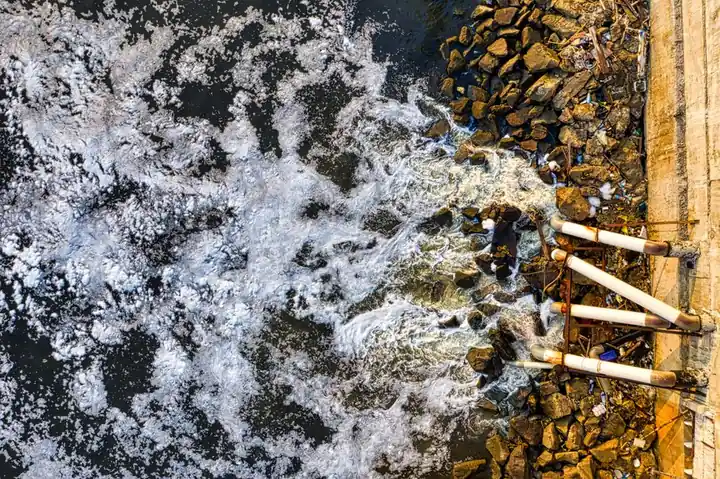
Experiencing sewage backup after a storm can be overwhelming, especially in Nashville where heavy rains can quickly lead to flooding. Knowing how to handle sewage cleanup after a storm in Nashville is crucial for protecting your health and property. This guide will walk you through essential steps, tips, and when to seek professional help.
Understanding Sewage Backup
Sewage backup occurs when the sewage system is overwhelmed, often due to heavy rainfall or flooding. In Nashville, the combination of aging infrastructure and sudden downpours makes this a common issue. Understanding the causes can help you prevent future incidents and respond effectively when they occur.
Initial Steps After a Storm
After a storm, your first priority should be safety. Here's what you should do:
- Assess the Damage: Check your property for standing water or sewage. If you see sewage, avoid contact.
- Shut Off Utilities: Turn off electricity and gas to prevent accidents. Do not enter flooded areas until it's safe.
- Document the Damage: Take photos for insurance purposes. This will help in your claims process.
Sewage Cleanup Tips in Nashville
Once you've ensured your safety, follow these sewage cleanup tips in Nashville:
- Wear Protective Gear: Use gloves, masks, and boots to protect yourself from contaminants.
- Remove Standing Water: Use a pump or buckets to remove water. For larger amounts, consider Nashville emergency water extraction services.
- Clean and Disinfect: Use a mixture of water and bleach to disinfect surfaces that came into contact with sewage.
- Dry the Area: Ensure the area is completely dry to prevent mold growth. Consider using Nashville structural drying services for thorough drying.
- Dispose of Contaminated Items: Throw away any items that cannot be cleaned or disinfected, such as carpets and upholstery.
What to Watch Out For
During the cleanup process, be aware of the following:
- Health Risks: Sewage contains harmful bacteria and viruses. Always use protective gear.
- Structural Damage: Check for signs of structural damage that may require professional evaluation.
- Mold Growth: Mold can develop quickly in damp environments. Monitor for signs and consider Nashville mold removal services if necessary.
When to Call a Professional
If the sewage backup is extensive or if you're feeling overwhelmed, it's best to call a professional. Water Damage Restoration Nashville offers expert assistance for sewage cleanup in Nashville. Their trained technicians can handle the situation safely and efficiently.
Frequently Asked Questions
What should I do if I have sewage backup after a storm in Nashville?
Immediately assess the situation for safety, shut off utilities, and avoid contact with sewage. Document the damage for insurance claims and consider professional help for cleanup.
How to clean sewage after a storm in Nashville?
Wear protective gear, remove standing water, and disinfect affected areas. If the situation is severe, it's advisable to contact Nashville sewage removal services.
What are the risks of sewage backup in Nashville?
Sewage backup poses significant health risks due to harmful pathogens. It can also lead to structural damage and mold growth if not addressed promptly.
How to manage sewage issues in Nashville?
Regular maintenance of your plumbing and drainage systems can help mitigate sewage issues. After storms, act quickly to assess and address any backup.
What are the best practices for sewage cleanup in Nashville?
Follow safety protocols, use protective gear, and consider professional services for extensive damage. Always document the damage for insurance purposes.